Stereotypes in Terms of Language and Cultural Background
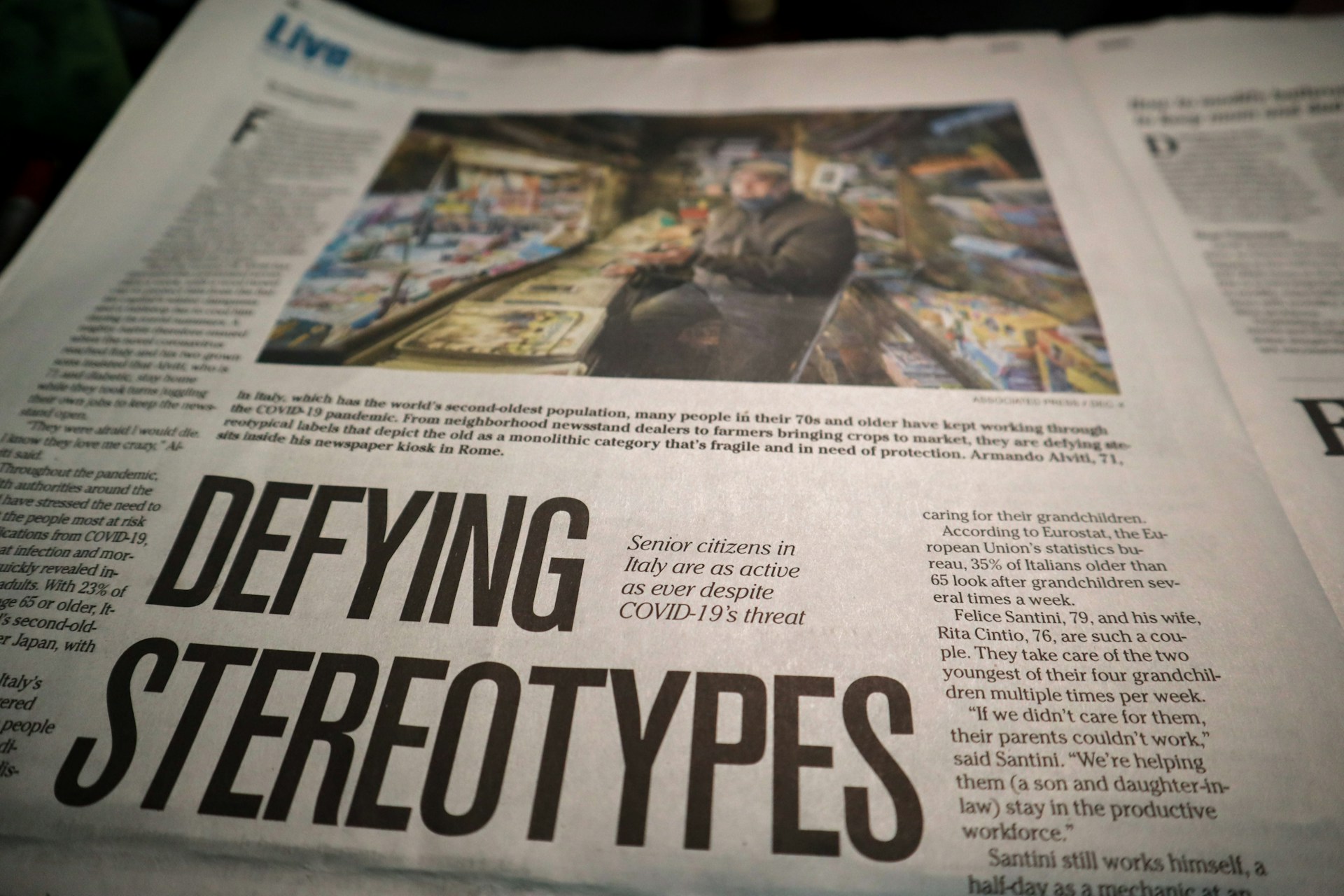
A newspaper page featuring an article titled “Defying Stereotypes,” with an image of a senior citizen working in a kiosk, symbolizing breaking societal biases.

Stereotypes around language and cultural background—like “You don’t look like you speak that language” or “Why don’t you sound more native?”—are more than just misguided comments. They reveal deep-seated biases that box people into narrow identities, often limiting their ability to express themselves authentically. These assumptions not only shape how we view others but also how individuals perceive their own worth, leading many to hide parts of their heritage or question their abilities.

What is Language Anxiety Tales and What’s Our Mission?

A person holding a globe under the warm sunlight, symbolizing global connection, diversity, and the shared journey of self-expression.

Language Anxiety Tales was created to shine a light on the challenges and triumphs of navigating language anxiety. Whether it’s the fear of speaking your native language, the hurdles of learning a foreign one, or the role language plays in shaping identity, we believe these stories matter.

Our mission is to raise awareness, build community, and promote empathy. Through storytelling, we aim to educate others about the hidden struggles of language anxiety and its impact on mental health and self-esteem. By fostering a supportive environment, we help individuals connect, share, and embrace their linguistic journeys with confidence.

What is Foreign Language Anxiety?

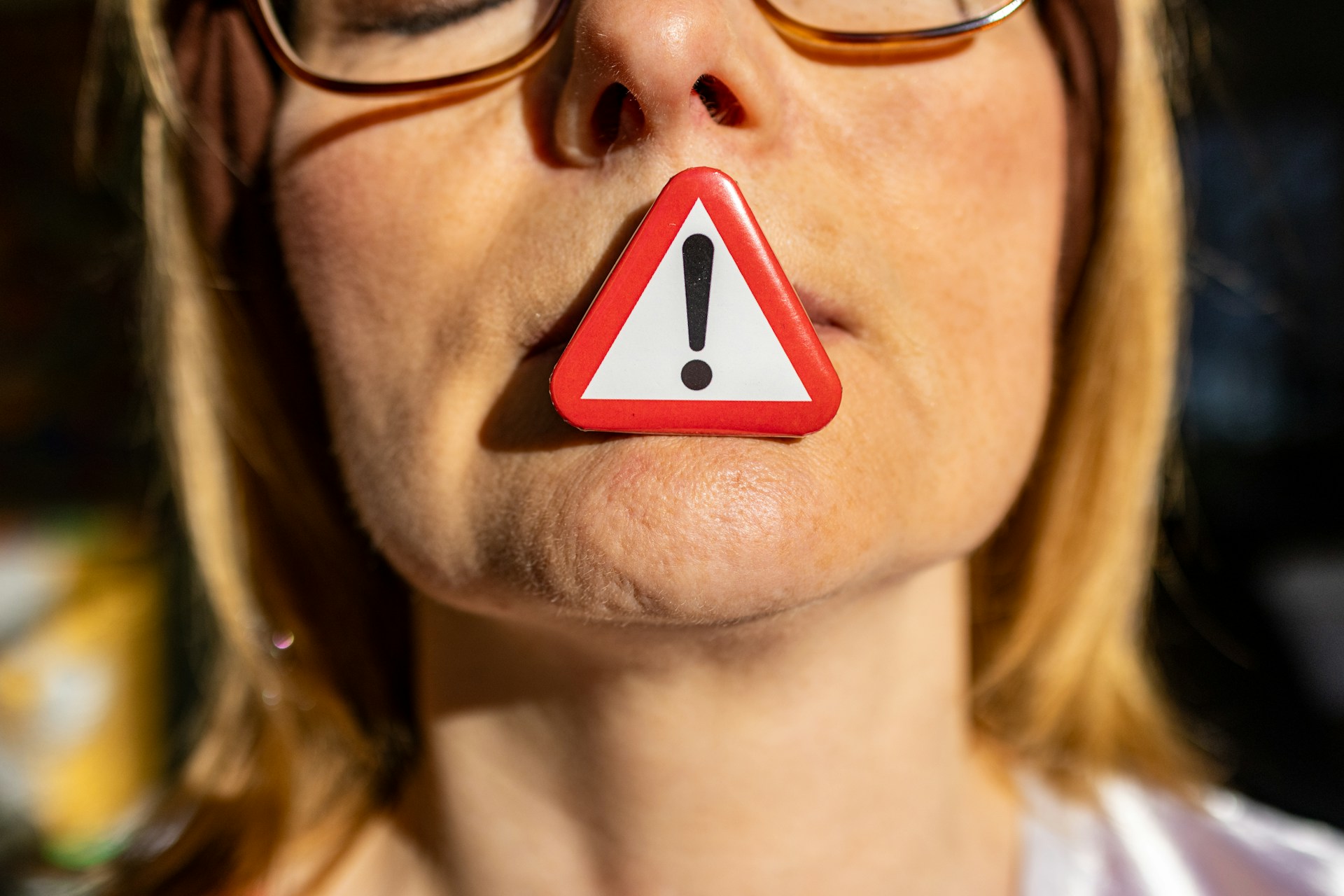
A close-up of a woman's face with a triangular warning sign covering her lips, symbolizing silence, caution, and suppressed communication.

Foreign Language Anxiety (FLA) is more than a fleeting nervousness—it’s a psychological hurdle that turns speaking another language into a daunting challenge. From fear of making mistakes to the pressure of performing perfectly, FLA can paralyze even the most determined language learners.

The impact is far-reaching, discouraging people from engaging in new experiences, building connections, or even traveling. But every misstep is a stepping stone, and every attempt—no matter how halting—is a triumph.

What is Native Language Anxiety?

A distressed woman with her hands on her head, her expression conveying anxiety and confusion, surrounded by a blurred, ethereal glow.

Native Language Anxiety (NLA) is a paradoxical struggle—a fear or discomfort in speaking the very language that should feel most natural. Imagine being judged not for your thoughts, but for how you express them in your first language. Whether it stems from societal stigmas, fear of judgment, or a sense of cultural disconnection, NLA can isolate individuals and erode self-esteem.

From young professionals hesitant to speak their native tongue at home to students abroad feeling insecure about their fluency, the psychological toll of NLA is profound. It distances people from their roots and adds an emotional burden to their linguistic identity.